Surprising Physics Moments Hidden in Ramadan Night Bazaars
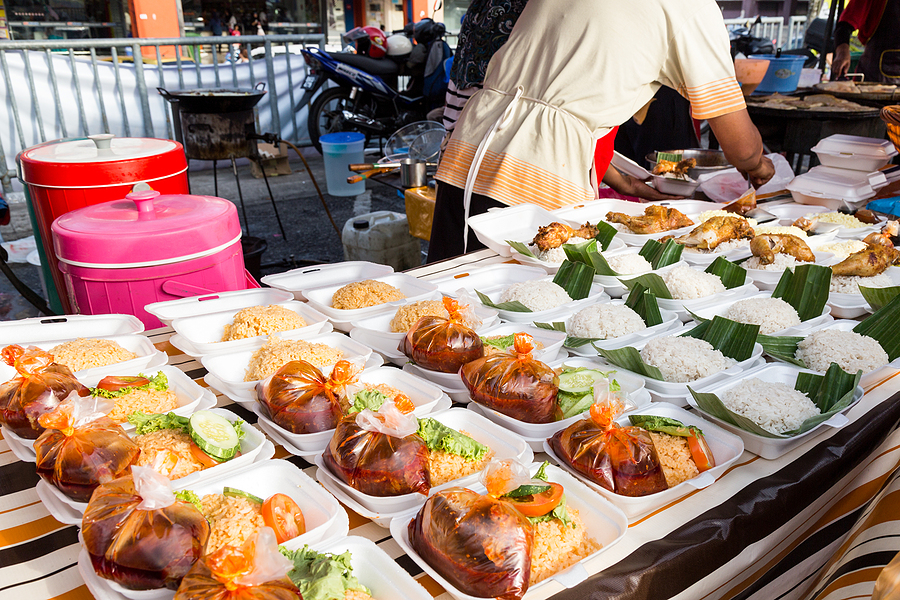
Lanterns glow above busy walkways. The smell of grilled satay fills the air. Children weave through the crowd holding colourful drinks while families line up for their favourite Ramadan treats. Night bazaars during Ramadan are lively, festive, and full of small moments that make the season special.
Yet beyond the food, lights, and laughter, these bustling markets are also quietly filled with science. Physics is happening everywhere — from the sizzling grills to the spinning drink mixers and even the way crowds move through narrow lanes.
For students, parents, and curious minds, Ramadan night bazaars offer a surprising reminder that physics is not just something found in textbooks. It is happening all around us in everyday life.
Here are some surprising physics moments you might notice the next time you visit a Ramadan bazaar.
The Heat Behind Perfectly Grilled Satay
One of the first things people notice when walking into a night bazaar is the aroma of grilled food. Satay skewers line charcoal grills while vendors fan the flames to keep the heat steady.
Behind this simple cooking method lies an important physics concept: heat transfer.
Charcoal produces intense thermal energy that transfers to the meat through three main processes:
Conduction
Heat travels from the hot grill into the satay sticks and meat.
Convection
Hot air circulates around the food, cooking it evenly.
Radiation
Infrared heat from the glowing charcoal warms the food directly.
Vendors instinctively control these forces by adjusting the distance between the satay and the charcoal, turning the skewers frequently, and fanning the flames when needed. Even without formal training, experienced hawkers are constantly managing heat physics to cook the perfect satay.
The Spinning Magic of Teh Tarik
Another iconic sight at Ramadan bazaars is teh tarik. Watching a vendor stretch and pour the tea back and forth between two metal cups is almost like watching a performance.
The dramatic pouring technique is not just for show. Physics plays an important role here too.
When the tea is poured from a height, several things happen:
- The liquid mixes more thoroughly, balancing the tea and milk.
- Air is introduced into the drink, creating the signature frothy texture.
- The increased surface area helps the drink cool slightly before serving.
The long arc of tea pouring also demonstrates gravity and fluid dynamics, showing how liquids behave when they fall and stretch through the air.
It is a simple example of physics that people witness every day without even realising it.
The Bright Lights of the Bazaar
Ramadan night bazaars are famous for their vibrant lights. Strings of bulbs, glowing signboards, and decorative lanterns transform ordinary streets into festive spaces.
Behind these colourful displays is the physics of electric circuits and light emission.
Electric current flows through wires to power bulbs or LED lights. LEDs, which are commonly used today, are especially efficient because they convert electrical energy directly into light with very little wasted heat.
This is why LED lights can shine brightly for hours while using far less energy than traditional bulbs.
For students studying science, noticing these lights can be a small but powerful reminder that physics concepts exist everywhere — not only in the classroom.
Parents sometimes use everyday situations like this to spark curiosity, and even students attending Physics tuition often find it easier to understand concepts once they connect them to real-world experiences.
The Curious Case of Floating Drinks
Many bazaar stalls serve colourful layered drinks — bright red syrup, creamy milk, crushed ice, and sometimes jelly toppings stacked neatly in transparent cups.
At first glance, it might look like simple presentation. But the layers stay separated because of density.
Density refers to how much mass is packed into a certain volume of a substance. Liquids with higher density sink below lighter ones.
For example:
- Syrup is usually denser, so it settles at the bottom.
- Milk or coconut mixtures sit above it.
- Ice floats at the top because it is less dense than liquid water.
This natural separation creates those visually appealing layers many people enjoy photographing before drinking.
What looks like a creative drink design is actually a small demonstration of physics.
The Motion of Crowds
Walking through a popular Ramadan bazaar can sometimes feel like navigating a maze of people. Crowds slow down, speed up, stop suddenly, and form lines around the most popular stalls.
Interestingly, scientists often study crowd movement using the same principles applied to particle physics and fluid flow.
People moving through narrow spaces behave a little like particles flowing through channels. When a stall becomes popular, a “traffic jam” forms, similar to how particles cluster when movement slows.
Organisers of large events often study these patterns to design safer and smoother pathways for crowds.
So the next time you find yourself inching forward in a long queue for kunafa or grilled seafood, you are actually witnessing a fascinating real-world example of physics in action.
Why Everyday Physics Matters
One reason many students struggle with physics is that it can sometimes feel abstract. Equations and formulas may seem disconnected from daily life.
But experiences like visiting a Ramadan night bazaar show that physics is deeply connected to the world around us.
Heat cooks our food. Electricity powers lights. Density shapes drinks. Motion guides the way people move through crowds.
Recognising these everyday examples helps students see physics as something practical and understandable rather than intimidating.
Some families even use festive outings to spark curiosity in children and quietly turn Hari Raya into a learning opportunity.
Simple questions can encourage deeper thinking:
- Why does the charcoal glow red when it gets hot?
- Why do layered drinks stay separated?
- Why do LED lights use less electricity?
Moments like these help students realise that science is not limited to exams. It is woven into the experiences they encounter every day.
Building Curiosity Beyond the Classroom
Curiosity is often the starting point for learning. When students begin noticing physics in everyday life, they start asking better questions.
Why does something move that way?
What makes something heat up faster?
Why do certain materials behave differently?
Once curiosity takes hold, understanding physics becomes less about memorising formulas and more about exploring how the world works.
Real-world observations, whether at a bazaar, a playground, or even the kitchen, can make physics feel far more approachable.
A Different Way to See the Ramadan Bazaar
Ramadan night bazaars are known for their food, atmosphere, and sense of community. Families gather, friends reconnect, and everyone looks forward to sharing delicious treats after a long day of fasting.
Yet hidden within these festive spaces are countless small demonstrations of science.
Grills show the power of heat transfer.
Layered drinks reveal density differences.
Crowds illustrate movement patterns.
Lights glow thanks to electrical circuits.
Once you start noticing these details, a simple visit to the bazaar becomes something more interesting. It becomes a window into the physics that quietly shapes everyday experiences.
Discover the Physics Behind Everyday Life
Understanding physics does not have to feel overwhelming. When concepts are connected to familiar situations, they become far easier to grasp and remember.
Students who explore physics through real-life examples often develop stronger intuition and confidence in the subject.
If you are looking for guidance in building that understanding, visit Physics.com.sg to explore engaging lessons designed to make physics clearer, more relatable, and easier to learn.