Holiday Music Acoustics: Why Some Frequencies Feel “Festive”
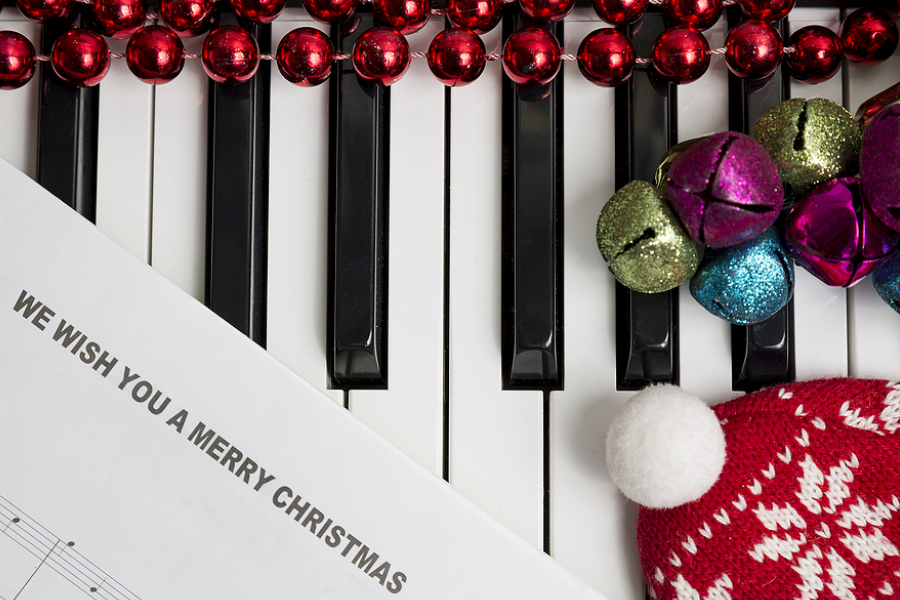
Holiday music has a curious power. A few notes from a familiar carol can instantly evoke warmth, nostalgia, and celebration, even before lyrics begin. This emotional response is not accidental or purely cultural. Sound itself, shaped by physics and human perception, plays a major role in why certain melodies feel unmistakably festive. From shimmering bells to rich choral harmonies, the acoustics of holiday music are carefully aligned with how our ears and brains interpret sound.
Understanding why festive music works so well offers a fascinating window into acoustics, wave behaviour, and resonance – topics at the heart of physics education and musical science alike.
The Relationship Between Sound Waves And Emotion
Sound begins as vibrations travelling through air as longitudinal waves. These waves vary in frequency, amplitude, and waveform, all of which influence how we perceive them. Frequency determines pitch, amplitude affects loudness, and waveform shapes timbre – the quality that distinguishes a violin from a flute playing the same note.
Festive music often leans towards frequencies that humans naturally find pleasing. Mid-to-high frequency ranges are especially prominent, as these are processed efficiently by the human ear and are associated with alertness and brightness. When these frequencies are combined in harmonious ratios, they stimulate emotional centres in the brain, creating feelings of joy and anticipation.
Why Bells Sound Instantly Christmassy
Bells are perhaps the most iconic sound of the holiday season. From church chimes to sleigh bells, their bright, ringing tones cut through background noise and command attention.
Acoustically, bells are rich in high-frequency overtones. Unlike string instruments, which produce harmonics that are simple multiples of a fundamental frequency, bells generate complex, inharmonic overtones. This creates a shimmering, sparkling quality that feels energetic and celebratory. High frequencies also travel effectively through air, making bells ideal for outdoor winter settings and large gatherings.
The association between bells and festivities has been reinforced over centuries, but physics explains why they remain so effective at creating a festive atmosphere.
Major Keys And The Physics Of Happiness
Most holiday songs are written in major keys, which are commonly perceived as happy or uplifting. From a physics perspective, major chords are built on frequency ratios that are simple and stable, such as 4:5:6. These ratios produce minimal interference between sound waves, resulting in consonance.
Consonant sounds require less cognitive effort to process, allowing listeners to relax and enjoy the music. This is one reason why festive songs feel comforting and familiar, even when heard repeatedly. The brain recognises the predictable wave patterns and responds positively.
Students exploring wave interference and harmonics in JC Physics tuition often encounter these principles in theory, but festive music provides a real-world example of how physics shapes emotional experience.
Tempo, Rhythm, And Seasonal Energy
Beyond pitch and harmony, rhythm plays a significant role in festive music. Holiday songs often feature moderate, steady tempos that are fast enough to feel lively, yet slow enough to encourage togetherness rather than urgency.
From a physics standpoint, rhythm is linked to periodic motion and timing. Our brains are adept at synchronising with regular beats, a phenomenon known as entrainment. When music aligns with natural bodily rhythms, such as heart rate or walking pace, it feels especially engaging.
Clapping, swaying, and dancing to holiday music are physical responses to rhythmic patterns that our nervous systems instinctively follow.
The Warmth Of Low Frequencies
While high frequencies add sparkle, low frequencies provide warmth and fullness. Instruments such as cellos, double basses, and pipe organs are frequently used in holiday arrangements to anchor melodies.
Low-frequency sound waves have longer wavelengths and are felt as much as they are heard. They create a sense of depth and stability, which complements the emotional themes of comfort and home often associated with the festive season. This balance between bright highs and warm lows gives holiday music its rich, enveloping character.
Choirs, Harmony, And Resonance
Choral singing is another hallmark of festive music. Multiple voices singing in harmony create complex interference patterns that amplify certain frequencies through resonance.
When singers match pitch precisely, their sound waves reinforce one another, increasing amplitude without additional effort. This collective resonance produces a powerful, unified sound that feels uplifting and communal. Churches and concert halls further enhance this effect through architectural acoustics, using reflective surfaces and high ceilings to sustain sound.
These principles of resonance and wave reinforcement are core topics in acoustics and appear frequently in O-Level physics tuition in Singapore, demonstrating how physics underpins artistic expression.
Cultural Memory And Repeated Exposure
Physics explains how sound works, but repetition explains why it feels festive. Hearing the same songs year after year strengthens neural connections associated with those melodies. Over time, specific frequencies and chord progressions become linked to memories of celebration, family, and rest.
This conditioning means that even instrumental versions of holiday tunes can trigger emotional responses. The acoustics provide the structure, while memory supplies the meaning.
Modern Production And Festive Sound Design
Advances in audio technology have allowed producers to exaggerate festive qualities in modern recordings. Equalisation boosts high frequencies for sparkle, while reverb simulates large, resonant spaces. Compression ensures consistent loudness, making songs feel full and immersive even at low volumes.
These production choices are rooted in physics, manipulating wave properties to enhance emotional impact. Understanding these techniques deepens appreciation for both music and the science behind it.
Physics As A Lens For Everyday Experiences
Holiday music shows that physics is not confined to laboratories or textbooks. It shapes everyday experiences, from the songs played in shopping centres to the carols sung at home. Recognising the science behind festive sound can make listening a richer, more engaging experience.
For students, this connection between theory and real life can be especially motivating. Concepts such as frequency, resonance, and wave interference become easier to grasp when linked to something as familiar and enjoyable as music.
Conclusion
Festive music feels joyful because its acoustics align beautifully with human perception. Bright frequencies, harmonious ratios, resonant spaces, and rhythmic patterns all work together to create sounds that feel celebratory and comforting. These effects are not accidental – they are grounded in the physics of sound waves and how our brains respond to them.
Exploring the science behind holiday music reveals how deeply physics influences culture and emotion. For more insights into how physics connects with everyday life and learning, visit Physics.com.sg.