Why Lunar Cycles Matter for Chinese New Year Celebrations
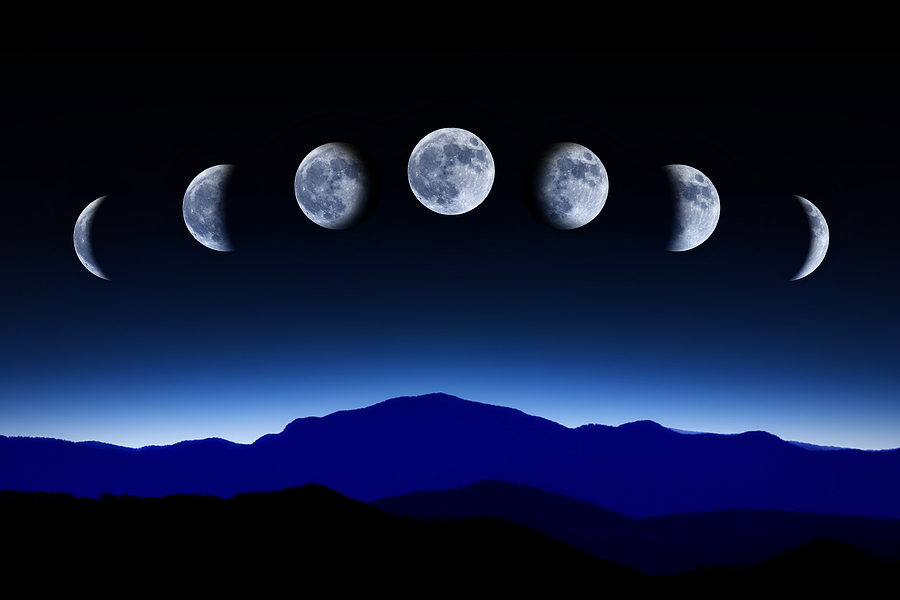
Chinese New Year is one of the most important festivals in many Asian cultures, yet its timing often sparks curiosity. Unlike fixed-date celebrations such as Christmas or National Day, Chinese New Year shifts each year on the Gregorian calendar. Some years it falls in late January, while in others it arrives in mid-February. This variation is not random. It is deeply rooted in the motion of the Moon and the structure of the lunar calendar.
Understanding why lunar cycles matter offers a fascinating blend of astronomy, physics, history, and cultural tradition. The Moon’s predictable patterns shape not only festive dates, but also agricultural planning, rituals, and even the symbolic meaning behind the celebration itself.
The Lunar Calendar And Its Astronomical Basis
Chinese New Year is determined using a lunisolar calendar, much like the eid moon sighting, which relies on careful observation of the Moon to mark the beginning of important dates. This means it takes into account both the Moon’s phases and the Sun’s yearly motion. At the heart of this system is the lunar cycle, which is the time taken for the Moon to complete one full sequence of phases, from new moon to new moon.
A single lunar cycle lasts about 29.5 days. Because this does not fit neatly into a 365-day solar year, lunar months drift unless adjustments are made. Ancient astronomers carefully observed the Moon’s motion and devised methods to keep the calendar aligned with the seasons, ensuring festivals remained connected to agricultural cycles and seasonal change.
This combination of observation, calculation, and correction reflects early applications of physics and astronomy long before modern instruments existed.
Why Chinese New Year Begins On A New Moon
Chinese New Year always begins on the first new moon of the lunar year, typically the second new moon after the winter solstice. From a physics perspective, a new moon occurs when the Moon lies between the Earth and the Sun. The illuminated side faces away from Earth, making the Moon appear invisible in the night sky.
Symbolically, this darkness represents renewal and potential. A new moon marks the start of a fresh cycle, aligning perfectly with themes of new beginnings, family reunions, and fresh hopes for the year ahead. Scientifically, the precision of predicting new moons relies on understanding orbital mechanics and gravitational interactions between the Earth, Moon, and Sun.
For students exploring astronomy concepts through physics tuition, lunar phases provide a tangible and relatable example of how physics governs everyday phenomena and cultural practices.
The Role Of Leap Months In Keeping Seasons Aligned
Because twelve lunar months add up to only about 354 days, the lunar year is roughly 11 days shorter than the solar year. Without correction, Chinese New Year would drift earlier each year, eventually occurring in completely different seasons.
To prevent this, an extra or “leap” month is added approximately every two to three years. This leap month ensures that lunar months stay aligned with seasonal markers such as the spring equinox. The decision to insert a leap month is based on solar terms, which divide the Earth’s orbit around the Sun into 24 segments.
This elegant solution demonstrates a sophisticated understanding of cyclical motion, timekeeping, and the balance between lunar and solar dynamics.
Full Moons, Lanterns, And Symbolic Completion
While Chinese New Year begins with a new moon, it traditionally ends with the Lantern Festival, which takes place on the first full moon of the lunar year. A full moon occurs when the Earth lies between the Sun and the Moon, allowing the Moon’s illuminated side to face Earth completely.
This progression from darkness to full illumination mirrors the journey from beginnings to fulfilment. Families gather under bright lanterns, symbolising unity, clarity, and completeness. From a physics standpoint, the changing angles between the Sun, Earth, and Moon explain why the Moon appears to grow brighter each night leading up to the festival.
These visual changes make lunar cycles an accessible entry point for understanding celestial mechanics.
Lunar Cycles And Agricultural Timing
Historically, Chinese New Year was closely linked to farming. The timing of the festival signalled the gradual transition from winter to spring, preparing communities for planting and renewal. Lunar calendars helped farmers track seasonal changes long before modern meteorology existed.
The Moon’s regular cycles offered a reliable natural clock. While physics explains the Moon’s motion through gravity and orbital paths, its consistent rhythm allowed ancient societies to synchronise human activity with natural patterns. Even today, remnants of this agricultural connection remain in traditions that focus on abundance, prosperity, and harmony with nature.
Cultural Meaning Rooted In Celestial Motion
Lunar cycles are not only scientific phenomena; they carry deep cultural meaning. The Moon’s waxing and waning have long been associated with fortune, balance, and change. During Chinese New Year, these ideas are reflected in customs such as reunion dinners, red decorations, and wishes for growth and success.
From a physics perspective, the predictability of lunar motion contrasts with the uncertainty of daily life. This reliability may explain why lunar cycles became such powerful symbols of stability and continuity across generations.
Why Lunar Cycles Still Matter Today
In a world driven by digital calendars and atomic clocks, it might seem surprising that lunar cycles still determine the dates of major festivals. Yet Chinese New Year reminds us that natural cycles continue to shape human culture. The Moon’s motion remains governed by the same physical laws observed thousands of years ago.
Learning about lunar cycles bridges science and tradition, showing how physics is not confined to laboratories or classrooms. It is embedded in celebrations, history, and the rhythms of everyday life.
Conclusion: Science, Culture, And The Moon
Chinese New Year celebrations are far more than colourful festivities and family gatherings. They are a living reminder of humanity’s long relationship with the Moon and our early understanding of celestial motion. Lunar cycles determine when the festival begins, how long it lasts, and even the symbolism behind its rituals.
By exploring the physics behind lunar motion, students gain insight into how scientific principles influence culture in profound ways. For those looking to deepen their understanding of astronomy, mechanics, and real-world applications of physics, resources like Physics.com.sg offer valuable learning support and educational guidance.